
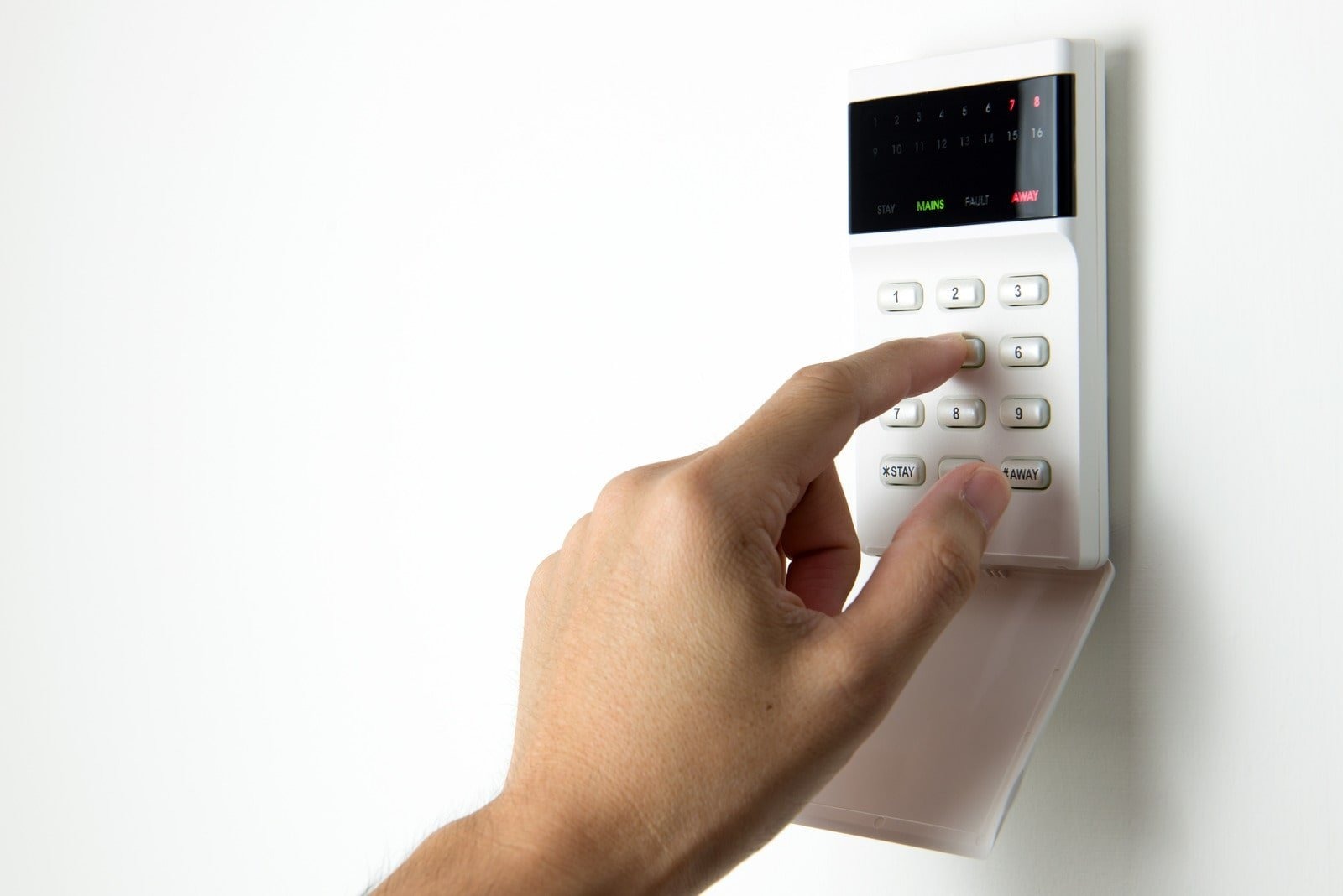
Security has evolved far beyond traditional locks and basic alarms. Today’s world demands a more intelligent, proactive, and comprehensive approach to safety. Homes and businesses face a mix of threats, physical, environmental, and digital. From break-ins and fire hazards to unauthorized access and emergency situations, every risk requires fast detection and effective response. That is why advanced protection systems have become essential. They provide constant visibility, smarter detection, and automatic intervention designed to safeguard people, property, and valuable assets.
Modern systems work tirelessly in the background, analyzing activity, identifying unusual patterns, and offering real-time insights. As technology grows more sophisticated, homeowners and business owners now have access to security solutions that are more reliable, responsive, and adaptive than anything seen in the past.
The Shift From Traditional to Modern Security
Decades ago, security was mostly reactive. Alarms would sound after a break-in. Footage would be reviewed after an incident. Response would come after damage was done. But advanced protection systems flipped this model entirely. Instead of simply documenting events, they anticipate and prevent them.
Multiple technologies work together, cameras, sensors, access controls, AI analytics, mobile apps, and cloud connectivity, creating a layered security environment that leaves fewer gaps. The focus has shifted from reacting to problems to stopping them before they escalate.
This transformation has changed the security world dramatically, giving both homeowners and businesses a level of control and awareness that once seemed impossible through a modern home security system.
Why Smart Detection Is Essential Today
The first step to safety is knowing when something unusual is happening. Modern protection systems use advanced detection technologies that go far beyond simple motion triggers. Intelligent sensors can distinguish between normal activity and genuine threats. Video analytics can identify suspicious behavior. Environmental sensors can detect smoke, heat, carbon monoxide, or water leaks before they become emergencies.
These systems operate around the clock, unaffected by distractions or human limitations. They identify risks early and send instant alerts, allowing owners or monitoring teams to act immediately. This rapid identification can make all the difference in preventing major losses.
Stronger Security Through Layered Monitoring
Advanced protection systems rely on layers of monitoring to strengthen security. Every sensor, camera, gate, lock, and alarm contributes to the overall ecosystem. While each tool serves its purpose individually, it is their combined intelligence that makes modern systems so effective.
For example, a camera may detect someone approaching, but an access control system determines whether they have authorization. Motion sensors capture unusual movement, while analytics interpret whether it is a threat. Together, these systems create a comprehensive safety net that greatly reduces blind spots.
Businesses especially benefit from layered monitoring because they deal with high-traffic environments, inventory management, employee movement, and multiple points of entry. A layered approach ensures that every area is covered with precision.
The Power of Real-Time Alerts and Response
One of the greatest advantages of advanced protection systems is the ability to deliver instant alerts. Whether someone is attempting unauthorized entry or an environmental hazard occurs, real-time notifications reach the owner or security team immediately through mobile apps, SMS, or integrated monitoring centers.
This quick flow of information significantly reduces response time. Instead of discovering a problem hours later, users can respond within seconds. Real-time alerts protect homes from break-ins, businesses from operational disruptions, and both from costly damage.
Businesses often rely on top tier security solutions to ensure these alerts reach the right people without delay, especially during after-hours when risks increase.
Smart Automation Enhances Protection
Automation plays a central role in modern security. Once a system identifies a threat, automated responses can activate instantly. This might include locking doors, turning on floodlights, sounding alarms, shutting down ventilation systems, or alerting emergency services.
Automation removes the risk of delayed human reaction. For instance, if smoke is detected, automated steps can slow the spread even before firefighters arrive. If an intruder attempts access, automated locks can contain the situation. These immediate actions significantly reduce potential harm.
Remote Monitoring Keeps Users Connected Anywhere
One of the standout features of advanced protection systems is remote accessibility. From a smartphone or computer, users can check live camera feeds, review alerts, arm or disarm alarms, manage access permissions, and monitor activity logs.
This ensures peace of mind no matter where they are, traveling, at work, or simply away from the premises. Remote monitoring adds flexibility and convenience, especially for business owners managing multiple sites or properties.
Better Control With Access Management
Access control has become a key component of modern security. Instead of using traditional keys that can be lost or duplicated, businesses and homeowners now use digital credentials, smart cards, biometric scans, mobile access, PIN codes, or facial recognition.
Access management systems provide precise control over who can enter specific areas and at what times. Businesses rely on this to manage staff access, prevent unauthorized entry, and track entry logs. Homes also benefit, especially those with cleaning services, deliveries, or temporary guests.
Digital access creates accountability and reduces risks tied to misplaced keys or unauthorized duplication.
Video Surveillance With Intelligent Analytics
Cameras are no longer passive recorders. Advanced video surveillance systems now work like intelligent observers. They analyze movement, detect unusual patterns, and identify suspicious behavior automatically.
Some systems can recognize license plates, track individuals across multiple cameras, or differentiate between a person, animal, or object. AI-powered analytics allow faster decision-making and help monitoring teams evaluate threats more accurately.
These features provide tremendous value to both homes and businesses, as they reduce false alarms and enhance overall security accuracy.
Environmental Protection for Safer Living and Working Environments
Safety extends beyond preventing intrusions. Advanced protection systems monitor environmental conditions to reduce risks such as fire, smoke, gas leaks, water damage, and extreme temperatures. These hazards can cause severe damage if not detected early.
Environmental sensors work continuously, detecting abnormalities and alerting users instantly. For example, a water leak sensor can prevent major flooding. A carbon monoxide detector can save lives by warning occupants before levels become dangerous.
Businesses often integrate these sensors into their main systems to protect equipment, inventory, and infrastructure.
Cybersecurity Plays a Growing Role
As security systems become more digital, cybersecurity becomes increasingly critical. Homes and businesses rely on networks and cloud-based platforms, making them vulnerable to online threats if not properly protected.
Advanced protection systems include encryption, secure authentication, and network safeguards to protect against hacking attempts. Businesses especially must ensure their digital infrastructure cannot be exploited.
Combining physical and digital security gives organizations a comprehensive defense against modern risks.
Why Businesses Need Advanced Protection Systems
Businesses face greater security challenges due to higher foot traffic, large facilities, sensitive data, and valuable assets. Advanced protection systems provide the tools needed to manage these complexities. They help prevent theft, protect employees, reduce liability, and safeguard daily operations.
Companies also benefit from analytics that offer insights into customer movement, employee behavior, and operational patterns. These insights can support business improvement beyond security.
From retail stores and offices to warehouses and industrial sites, every business environment benefits from stronger, smarter protection.
How Homes Gain Peace of Mind With Modern Security
For homeowners, advanced protection systems offer constant reassurance. Whether a family is at work, asleep, or traveling, the system continues watching over the property. Smart locks, video doorbells, motion-activated lights, and environmental sensors create a safe environment for loved ones.
Parents can monitor children arriving home safely. Travelers can check in from across the world. Property owners can stop potential intrusions before they escalate.
Peace of mind is one of the greatest benefits advanced protection brings to everyday life.
The Future of Advanced Protection Systems
Security technology continues moving forward rapidly. Future improvements will likely include more AI-driven analytics, predictive security models, deeper integration with home automation, and even stronger cybersecurity layers.
Systems may soon identify threats before they occur by analyzing long-term behavior patterns. Homes and businesses will grow more interconnected, with protection systems working alongside energy management, smart appliances, and environmental control.
The future of security is not only advanced but also intuitive and deeply personalized.
Conclusion
Advanced protection systems are no longer optional, they are essential tools for safeguarding modern homes and businesses. With intelligent detection, real-time alerts, automated responses, and remote access, these systems provide unmatched reliability and efficiency. They help property owners stay ahead of risks, respond quickly to emergencies, and maintain a safer environment every day. As technology continues advancing, these systems will only grow more powerful, giving people greater peace of mind and stronger control over their security.
FAQs
1. What makes advanced protection systems better than traditional security?
They combine real-time monitoring, intelligent analytics, automation, and remote access for faster and more accurate safety.
2. Can advanced security systems reduce false alarms?
Yes. Smart sensors and AI-based video analytics help distinguish between genuine threats and normal activity.
3. Why is automation important in modern security?
Automation enables immediate responses such as locking doors, sending alerts, or activating alarms without human delay.
4. Do businesses benefit more from advanced protection systems?
Businesses gain stronger access control, better monitoring across multiple locations, and improved safety for staff and assets.
5. Are these systems customizable for different needs?
Absolutely. Advanced protection systems can be tailored to match home layouts, business requirements, and security priorities.