
Is Wise a scam, or is it a safe way to move your money across borders? With millions of users worldwide, Wise (formerly TransferWise) is a legitimate, secure platform for international transfers. However, its popularity has made it a prime target for clever fraudsters who exploit users through deceptive tricks.
From fake “business account” upgrade fees on marketplaces to sophisticated phishing emails, criminals use the platform’s name to steal funds.
While the service itself is as genuine as a financial institution can get, a lack of familiarity with its features can lead to costly errors. This guide explores common red flags to help you navigate international banking safely and avoid Wise-related scams.
Is Wise a scam?

No, Wise is not a scam, but it’s not perfect either, and that’s where the confusion comes from.
Wise is a regulated fintech platform authorized by bodies like the UK’s FCA and even approved by the Reserve Bank of India, making it a genuine service for international money transfers.
It serves millions of users globally and is widely trusted for low fees and real exchange rates. On platforms like Trustpilot, it holds a strong rating of around 4.3/5 based on hundreds of thousands of reviews.
However, negative experiences do exist. On sites like Sitejabber, some users report account freezes, delayed support, or funds being held during compliance checks.
Regulatory scrutiny has also occurred for example, a U.S. agency fined Wise over fee disclosures.
It’s also important to note that many “Wise scams” online are actually third-party frauds impersonating Wise, not the platform itself .
✅ Final verdict
Wise is legitimate and widely used, but like any financial platform, it has risks, strict compliance checks, and mixed user experiences.
My personal experience with Wise
I have been using Wise for more than three years now, and my overall experience has been smooth and reliable. As a freelancer working with international clients, I have received bank transfer payments from multiple countries without any major issues.
The process has always been straightforward, fast, and hassle-free, which makes it a dependable option for cross-border transactions.
One of the features I appreciate the most is Wise’s live chat support. Unlike many platforms, you can connect with a real support agent who genuinely tries to resolve your queries.
In my experience, their support team goes the extra mile to help, whether it’s a payment-related concern or a general account query. This level of responsiveness makes a big difference, especially when dealing with financial transactions.
Another positive aspect is the stability of the platform. I haven’t faced issues like sudden account bans or unexpected restrictions, which are common concerns on some other payment platforms. Wise maintains a more transparent and user-friendly approach, which builds trust over time.
Overall, Wise has proven to be a consistent and efficient solution for handling international payments, especially for freelancers who value reliability, ease of use, and responsive customer support.
What are the common red flags of a Wise scam?
- The Marketplace “Business Account” Trap:

A common red flag of a Wise scam is the “business account upgrade” trap. Scammers claim they can’t send payment unless you upgrade to a business account, asking you to pay a fee upfront with promises of reimbursement.
This is false. Wise never requires users to pay third parties to receive funds. According to Wise’s official scam guide, such requests are fraudulent.
Trusted resources like Federal Trade Commission also warn against advance-fee scams. Always verify payment requests and avoid sharing sensitive details or paying unknown parties.
- The “Proof of Postage” Scam:
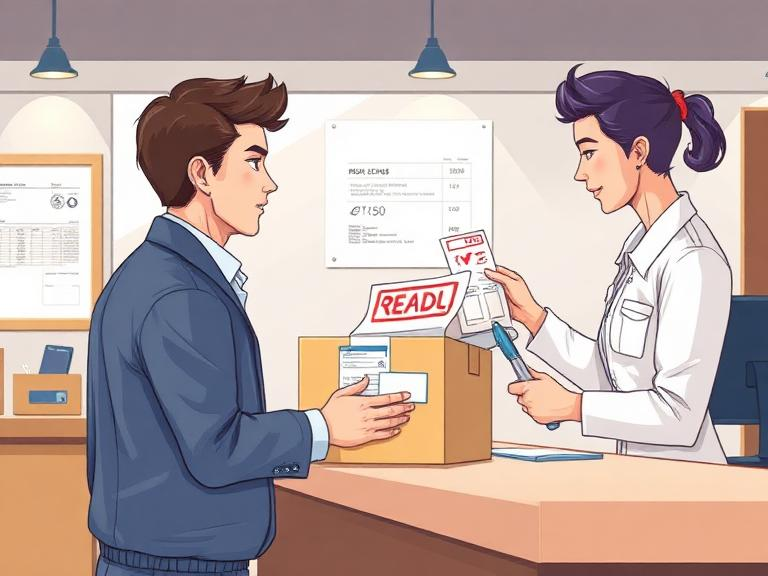
A major red flag in the “Proof of Postage” Wise scam is when a fraudulent buyer asks you to ship the item first and share the receipt or tracking slip before funds are released.
Scammers often send fake “payment pending” emails that closely mimic Wise notifications, creating false urgency and trust. In reality, Wise does not require proof of postage to release funds.
Official safety guidance from Wise clearly warns users about scams and fake payment notifications.
Trusted scam-awareness communities like Reddit and Which? have also reported multiple cases where users received fake Wise emails asking for shipment proof before payment.
Always verify payments by logging in directly to your Wise account on the official website, and never rely only on email confirmations. If the money is not visible in your actual account, do not ship the item. This is one of the most common marketplace fraud tactics targeting sellers online.
- Phishing and Impersonation:
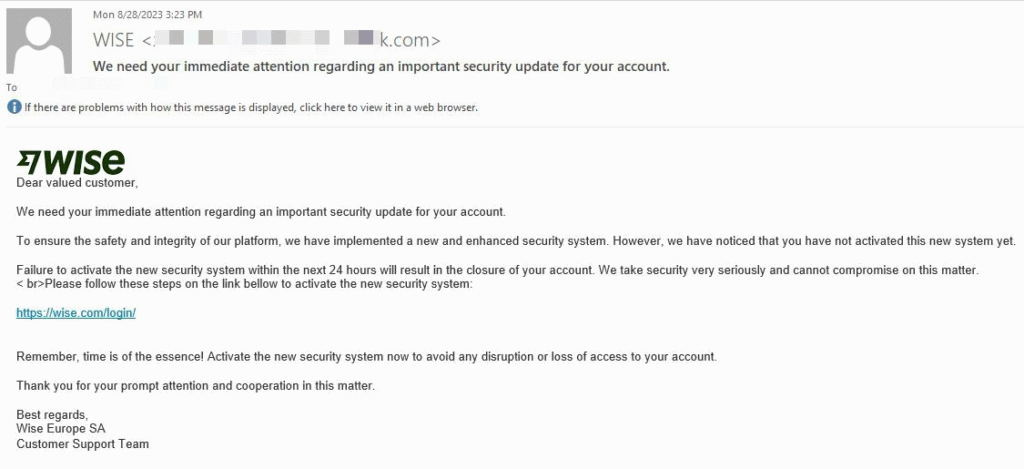
Phishing and impersonation are among the most common Wise-related scam tactics. Fraudsters often pretend to be Wise support, contacting users via calls, emails, or messages to steal OTPs, passwords, or PINs. They may also send phishing links that look like official Wise pages but are designed to capture login credentials.
According to the Federal Trade Commission, phishing scams typically involve messages that appear to come from trusted companies and urge users to click links or share sensitive data . These messages often create urgency or claim there’s an issue with your account to trick you into acting quickly .
Security research from Kaspersky shows that attackers frequently target financial platforms like Wise by sending fake emails to steal account credentials . Meanwhile, Wise itself advises users to report phishing attempts and avoid clicking suspicious links through its official security page
- Investment and Social Engineering:
Investment and social engineering scams are another major risk linked to online payments. Fraudsters promote high-return “money-flipping” schemes, promising to double or triple your money quickly something legitimate platforms like Wise never support.
These offers are almost always scams. According to the Federal Trade Commission, such schemes rely on unrealistic returns to lure victims (consumer.ftc.gov).
Another common tactic is romance or friendship scams, where scammers build emotional trust over time and then request urgent money transfers. The Federal Bureau of Investigation warns that victims often lose significant amounts in these scams after forming online relationships (ic3.gov).
Platforms like Better Business Bureau also highlight how scammers manipulate trust and urgency to push victims into sending money quickly (bbb.org).
How do I report a scam and recover lost money on Wise?
If you believe you have been targeted by a scam involving Wise, acting quickly can improve your chances of limiting losses and securing your account. Whether the fraud involved a fake payment request, phishing attempt, impersonation scam, or unauthorized transaction, it is important to report the incident immediately and gather all relevant evidence. While recovering lost money is not always guaranteed, timely action can help Wise investigate the case and potentially prevent further damage.
🚨 How to Report a Scam on Wise
✅ Step 1: Report directly to Wise
If you’ve sent money to a scammer, act immediately:
- Log in to your Wise account
- Go to Transactions
- Select the suspicious payment
- Click “Get help” → Report fraud/scam
- Submit details via the official form
Wise confirms you can also report scams through their web form in just a few minutes
👉 Official help guide:
📱 Step 2: Report phishing separately
If you received a fake email, message, or website:
- Report it here: https://wise.com/security/reports/phishing
- Provide the suspicious link or message
Wise actively collects phishing reports to protect users
🛑 Step 3: Secure your account
- Freeze your card (if fraud involved)
- Change password immediately
- Enable security features
Wise recommends acting fast to prevent further losses.
How to spot a scam on Wise?
Urgency and Pressure: From my personal experience, one of the easiest ways to spot a scam on Wise is when someone creates panic or urgency. I’ve seen scammers claiming that my account would be blocked within minutes unless I acted immediately.
This is where many people start searching online “Is Wise a scam” or “can Wise be trusted.” In reality, Wise itself is not the scam fraudsters misuse its name.
Genuine companies never pressure you into sending money instantly. If someone is forcing you to act quickly, asking for emergency transfers, or threatening account suspension, it is usually a major red flag and should never be ignored.
Requesting Sensitive Data: Another thing I learned while researching “is Wise safe” and “Wise scam” is that real Wise support never asks for OTPs, passwords, or PIN numbers. I once received a suspicious message pretending to be Wise support asking me to verify my login details. Thankfully, I ignored it.
Many users wrongly believe “Is Wise a fraud” after falling for such phishing attempts, but the actual issue is scammers impersonating the platform. No legitimate support agent will ever ask for sensitive account credentials through messages, calls, or emails.
The moment someone asks for your OTP or password, you should immediately stop responding and report the incident.
Unofficial Channels: One common pattern I noticed while reading “Wise scam” discussions online is that scammers often contact people through unofficial channels like WhatsApp, Telegram, Instagram, or Facebook.
In my experience, genuine Wise communication mostly happens through the official app, verified emails, or secure support systems. If someone claiming to represent Wise messages you randomly on social media, it’s a warning sign.
Many victims later search “Is Wise account scam” after trusting fake profiles or random payment agents online. Always verify communication through the official Wise website or application instead of relying on screenshots, random chats, or unknown social media accounts.
Too Good to Be True: One of the biggest signs behind searches like “is Wise a scam platform” is unrealistic offers. I’ve personally seen fake schemes promising guaranteed profits, money flipping, or asking users to pay a fee before receiving payment.
These scams often misuse Wise because international transfers appear legitimate. In reality, no genuine payment platform guarantees instant profits or asks you to pay money just to receive money.
Whenever an offer sounds too good to be true, it usually is. Wise itself is a legitimate financial platform, but scammers continuously exploit people through fake investment opportunities and suspicious payment tricks.
What to do if you have been scammed on Wise?
Act Immediately: Speed is critical for potentially reclaiming funds.
Report to Wise: Contact them through official channels to secure your account.
Alert Your Bank: They may be able to freeze or reverse unauthorized transfers.
Legal Action: File a complaint with the Cyber Crime Cell or local authorities.
FAQs: Is Wise A Scam?
1. Is Wise a scam?
No, Wise is a legitimate and regulated financial platform used worldwide.
2. Why do people think Wise is a scam?
Issues like delays, account checks, or scams by third parties create confusion.
3. Is Wise safe for international transfers?
Yes, it uses strong security and real exchange rates for global payments.