15 Key Advantages and Disadvantages of Using Facebook

15 Key Advantages and Disadvantages of Using Facebook
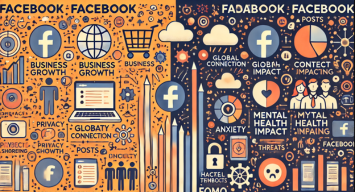
As you already know, Facebook has been a big part of our lives since we were kids, and even now, it’s still going strong. Since its launch in 2004, Facebook has remained a dominant player in the social media world. Over the years, it has evolved into much more than just a place to connect with friends and share updates. With over 3 billion users worldwide, Facebook has grown into a vast ecosystem that brings together social interaction, business marketing, e-commerce, community building, and even education. Because of this, it has become an important tool for both personal and professional life, catering to an incredibly diverse audience. In 2021, Facebook took a big step and rebranded itself as Meta, reflecting its ambition to be more than just a social networking platform. Meta has grown into a diverse digital world that includes virtual reality (VR), augmented reality (AR), e-commerce, and so much more. The company’s vision is to create the metaverse, “a fully immersive and connected digital space where people can work, socialize, and shop effortlessly, all without wasting time moving between platforms or locations.” And today, in 2025, that vision is steadily becoming a reality. With over 3 billion users worldwide, Meta’s platforms include Facebook, Instagram, WhatsApp, and Oculus. Those platforms have become essential to daily life. Whether it’s staying in touch with friends, building communities, or running a business, these platforms have changed how we interact and get things done online.  But with all the good that comes with Facebook, it hasn’t been without its controversies and challenges that affect us all. Privacy, misinformation, and mental health are ongoing issues. Facebook’s algorithms are designed to keep us engaged but sometimes can be a bit too addictive, leading to social isolation, cyberbullying, and surface-level communication. These are big issues that Meta has to deal with as the platform becomes more and more a part of our daily lives. As Facebook becomes more and more a part of how we live, work, and interact, the line between the good and the bad gets blurred. In this post, we’ll look into both the pros and cons of Facebook to get a balanced view of how it’s shaping modern life for good or bad. Advantages of Facebook in 2025 1. Global Reach with Local Impact Facebook is the perfect tool to connect with anyone, anywhere in the world. With over 3 billion users, it continues to bring people together across the globe while also staying focused on local communities. Thanks to its incredible connectivity, Facebook allows us to easily chat, share ideas, and network with people from different countries and cultures, helping build a sense of global unity.  At the same time, it helps support small businesses, local events, and neighborhood groups, making it simple to get involved in nearby activities. This balance of global and local connections truly makes Facebook a tool for everyone. 2. Metaverse Integration for Virtual Socializing When Facebook rebranded itself as Meta, it revolutionized social interaction by introducing immersive digital environments. Now, with this advanced technology, Facebook users can meet, chat, and socialize in virtual spaces like never before. It’s not just casual conversations anymore; these interactions have become dynamic and exciting experiences. Whether you are attending virtual concerts, working in a 3D office, or simply hanging out with friends in a virtual café, Facebook’s metaverse opens up endless possibilities. This goes way beyond simple text and video, creating deeper, more lifelike connections and helping people build relationships in ways we never thought possible. 3. Advanced AI-Powered Ad Targeting These days, it seems like every company is jumping on the AI bandwagon, and Meta is no exception! They’ve introduced their very own AI model, “Meta AI,” which brings some fantastic advancements to ad targeting. This technology allows businesses to reach their ideal audiences with incredible precision. By looking at user behavior, preferences, and interactions often powered by user behaviour tracking tools Facebook is able to deliver personalized ads that really hit the mark, boosting both relevance and engagemen. Now, businesses on Facebook can easily fine-tune their campaigns using an AI Facebook ad maker based on demographics, interests, and even specific behaviors, ensuring they get fantastic results. This targeted approach helps brands save on ad spending while achieving higher conversion rates, making Facebook an essential tool for marketers. Plus, with the AI continuously adapting and learning, campaigns can be optimized in real-time, providing a smart and efficient advertising solution for businesses of all sizes. 4. Seamless integration across meta platforms As a Meta product, Facebook has the added benefit of seamlessly connecting with other Meta platforms like Instagram, WhatsApp, and Oculus, which really enhances the overall user experience. This integration allows users to easily post, send messages, shop, and even play VR games, all without having to switch between apps.  For businesses, this cross-platform connection is a huge advantage, as it ensures that content is accessible to a broader audience, boosting brand strategy and awareness. Whether it’s chatting on Facebook, shopping on Instagram, or diving into an Oculus adventure, the experience is smooth and connected, making it easier for users to engage in all their favorite activities. 5. E-commerce and Social Shopping Over the years, Facebook has grown into a powerful giant for e-commerce initiation by enabling businesses of all sizes to engage in selling directly on the platform. Facebook Shops and Marketplace have made user observation, purchases, and reviews of products smooth without the need to exit the app. Social shopping has risen with users finding out about new products due to the impact of influencer advertising, targeted advertising, and social media posts. This brings social aspects into the shopping experience; hence, not only does the consumer shop, but they also interact with other consumers, enhancing their shopping experience. For instance, if someone is looking to buy an indoor trampoline, they can browse Facebook Marketplace, check reviews, and even see recommendations from others who have purchased similar products. 6. Powerful Business Networking Tool Facebook is no longer just … Read more
Key Advantages and Disadvantages of the Internet in 2025

Key Advantages and Disadvantages of the Internet

Introduction In today’s digital age, the internet has become an integral part of daily life, reshaping the way we communicate with others, work, learn, and entertain ourselves. Day by day, the internet’s influence is more pervasive than ever, touching nearly every aspect of modern existence. From our homes to businesses, healthcare systems, and education, the internet has woven itself into the fabric of society, providing unprecedented levels of connectivity and convenience. When people first started using the internet, it was primarily a tool for sharing information, but it has since evolved into a vast digital ecosystem, supporting billions of users globally. There is still much that the internet has brought our way in moving further into the digital age. It has made everything easy to find information as well as making it easy for people to connect, even though each of them is located in a different part of the world. New technologies like AI, VR, and IoT are taking the internet to its new heights.  Such developments are further making experiences more immersive, smarter gadgets with interactive benefits, and workflow automation services that make everyday tasks easier. Now, options shape modern life, like having an office from home or getting to study online, flexibility hard to find a few decades ago. However, like any other powerful tool, the internet has its challenges. The same technologies that make life easier can also cause many disadvantages, like concerns over data privacy, cybersecurity threats,like spear phishing and the spread of misinformation. In this article, we will going to explore 20 major advantages and disadvantages of the Internet. By talking about both sides of the coin, we present a balanced view to you on how this potent technology impacts our lives today and into what we may be moving into in the future. Advantages of the Internet in 2025 1. Global Connectivity and Communication Before the internet, people only connected through telephones. But because of the internet, people can connect across the world, allowing for instant communication with anyone regardless of distance. Nowadays, we can instantly talk to anyone, no matter where they are, using video calls, messaging apps, or social media. Moreover, the internet breaks down long-distance barriers and makes it easy to build relationships and collaborate with anyone worldwide, whether for personal or work reasons. Even people living in remote areas can stay connected through some of the best rural internet options, which ensure stable communication despite limited infrastructure. Another advantage of the internet is its better translation tools and faster speeds, which help connect, share ideas, and work together across borders. This global communication has changed the way we interact with people, making the world feel smaller and more connected than ever. 2. Remote Work and Education These days, remote work is way more popular than working in an office, and tools like Simify, which use e-sim technology, make mobile connectivity smoother and more flexible for workers. After the pandemic, people now prefer to work from home instead of going to the office. The same goes for education; you can now learn anything from anywhere, thanks to the internet. The internet lets you work from anywhere, making it easier to balance personal and work life. Plus, software companies are making new tools like virtual collaboration tools, video conferencing, and cloud platforms to help.  In education, online learning platforms and virtual classrooms give students access to resources and courses from all over the world, making education available to everyone. Many private schools are also embracing these digital tools to offer more flexible learning options. This flexibility has created new opportunities for workers and learners, changing the way we think about work and education. 3. Access to Information and Knowledge The internet has completely transformed how we access information and knowledge. It’s super easy to find answers to almost any question. Moreover, platforms like YouTube offer free courses, research materials, and tutorials on nearly every subject imaginable. People everywhere can access educational resources, breaking down learning barriers.  Tools like TurboLearn AI take this a step further by enhancing memory and learning through smart technology that generates summaries and notes from audio, video, PDFs, and websites—making it even easier to absorb and retain information from online content. Also, with the help of AI tools, it’s even easier to get information that is more engaging and tailored to individual needs.  Nowadays, it’s even possible to process lengthy materials in seconds with a PDF AI summarizer, making it easier to absorb and retain key information without getting overwhelmed. This instant access to knowledge empowers people to learn, grow, and make informed decisions in both their personal and professional lives. 4. E-commerce and Business Opportunities In the last 20 years, e-commerce has been great for both consumers and retailers. The internet has been a game-changer in the e-commerce industry, letting businesses reach customers worldwide and break down geographic barriers. Whether shopping for a wedding rings, designer bags, or high-end accessories, consumers now have access to a vast selection from the comfort of their homes. Whether shopping for a wedding rings, designer bags, or high-end accessories, consumers now have access to a vast selection from the comfort of their homes. Plus, setting up an online business is easy with various tools. Nowadays, small businesses and entrepreneurs can compete with bigger companies without needing a physical store. New tech like AI helps businesses offer personalized experiences to customers, making shopping more fun and boosting sales. With easy and secure online payments, people can shop from anywhere, anytime. Implementing QR code payments for retail allows customers to complete purchases quickly and securely, enhancing convenience and improving the checkout experience. E-commerce also helps small businesses and niche markets grow, giving them the tools to compete globally. 5. Health and Telemedicine The Internet has changed the healthcare system by making it easier for patients to access health care. Patients are able to receive remote consultation, live health monitoring, and different treatments based on their needs. The patient will be connected with … Read more

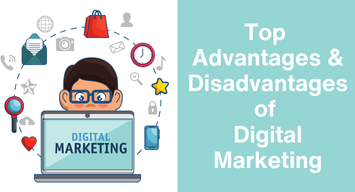
Top Advantages and Disadvantages of Digital Marketing in 2025

Top Advantages and Disadvantages of Digital Marketing

Introduction Digital marketing has transformed how companies engage with their target audience. In our chaotic lives, it is an unavoidable method of reaching new clients, encouraging brand exposure, and generating sales. However, like any powerful method, digital marketing has its own challenges. In this blog post, we will discuss the advantages and disadvantages of digital marketing in 2025, as well as demonstrate ways for businesses to approach the uncertain ground of digital marketing practice.  Moreover, we are also going to share the various digital marketing benefits, which include accessibility, cost-effectiveness, and measurability. Also, there are various challenges, such as over-saturation, privacy issues, and technical issues. It’s beneficial to understand that both aspects will inform and clarify a decision regarding a digital marketing strategy and the outcome. Many businesses find it helpful to consult with the best digital strategy agencies to navigate these complexities effectively and tailor solutions that fit their unique needs Advantages of Digital Marketing for 2025 1. Wider Reach and Global Access Wider Reach and Global Access expand the doors of modern marketing. For businesses in Grantham looking to grow beyond the local market, investing in professional Grantham web design services can create a strong digital foundation that supports global outreach. It is allowing businesses to reach audiences across the globe, which is not possible with traditional marketing. It allows for targeting numerous customers residing in various different regions by making use of digital marketing platforms, like social media, search engines, and email services. Moreover, this would allow an SME to scale on a larger and bigger level without necessarily having to be based in several locations. Thus, through an extension of outreach, businesses can enter overseas markets and attract diverse customers who would previously not have been known, further enhancing the potential for growth and increased brand exposure. 2. Cost-effective Marketing Solutions One of the biggest advantages of digital marketing is how cost-effective it is compared to traditional methods. You don’t need a massive budget to get started. Platforms like Facebook, Instagram, Google Ads, and email marketing let you run targeted campaigns at a fraction of the cost of print, TV, or radio ads. Even small businesses can reach a global audience with just a modest budget. What makes digital marketing even more appealing is the control it offers. You can set daily or lifetime budgets, adjust campaigns in real-time, and focus your spending on the audiences that matter most. Whether you’re targeting people by location, interests, or behavior, these platforms give you the flexibility to test what works—and pause what doesn’t—without wasting money. If you really want to make the most of this approach, investing in an Advanced Performance Marketing Training can be a game-changer. These courses teach you how to build smart, results-driven campaigns that actually convert—whether that means generating leads, boosting sales, or increasing app downloads. You’ll learn how to analyze your campaign performance, optimize ads for better results, and make every dollar work harder. It’s not just marketing—it’s measurable, strategic growth.   3. Advanced Targeting with AI and Machine Learning Advanced targeting with AI and machine learning significantly enhances digital marketing by enabling precise audience segmentation and personalized content delivery. These AI technologies analyze huge amounts of data to identify patterns and predict customer behavior, allowing marketers to target specific demographics, interests, and behaviors more accurately. This leads to more relevant and engaging advertisements, higher conversion rates, and improved ROI.  Additionally, AI and machine learning can optimize ad placements and bids in real-time, ensuring that marketing efforts are both efficient and effective. By leveraging these advanced tools, businesses can create more impactful and tailored marketing campaigns that resonate with their target audience. Additionally, AI strategy consulting can ensure seamless integration of AI into businesses, aligning it with overall goals. 4. Real-Time Performance Tracking One of digital marketing’s major advantages is the ability to monitor campaign metrics in real time. This technique allows marketers to see what is going on quickly, determine trends, evaluate the effectiveness of the implemented strategies, and immediately make adjustments to optimize results. Some key metrics measured in real time include website traffic, conversion rates, click-through rates, and engagement levels. Using these forms of data can amplify marketers’ decision-making abilities, align them with better customer targeting, and maximize ROI. 5. Increased Customer Engagement Increased customer engagement is one of the most important aspects of digital marketing. It refers to the enhanced interaction between businesses and their customers through digital marketing channels. By using social media channels such as Facebook, Instagram, and more, along with email campaigns and personalized content, businesses can engage and connect with customers in real-time, observing their needs and preferences more effectively. This continuous interaction with clients builds stronger relationships, boosts customer loyalty, and encourages repeat business. Moreover, it allows companies to gather valuable feedback and insights from clients, enabling them to refine their strategies and improve customer satisfaction. 6. Improved conversion rates Improved conversion rates are one of the most significant benefits of digital marketing. This refers to the increased percentage of visitors who take a desired action on your website, such as purchasing, signing up for a newsletter, or filling out a form. Using digital marketing strategies such as advertising, personalized content, and A/B testing helps optimize user experience and engagement. This leads to higher conversion rates by effectively guiding potential customers through the sales funnel, reducing friction points, and addressing their needs more precisely. Strong pipeline management ensures these strategies are aligned and consistently move leads toward conversion. Ultimately, improved conversion rates result in better return on investment (ROI) and business growth. 7. Omnichannel Marketing Opportunities I hope you have heard about omnichannel marketing. If not, let me explain it to you. Omnichannel marketing is a strategy that integrates various channels of communication to deliver a consistent and seamless customer experience across multiple platforms, such as online, in-store, social media, and mobile apps. This practice ensures that clients receive consistent messaging and can interact with a brand through their preferred channels, improving customer … Read more

20 Pros And Cons Of Advertisement & Marketing

20 Pros And Cons Of Advertisement & Marketing

In today’s fast-paced, consumer-driven world, advertisement and marketing have become essential tools for businesses to thrive. They help brands reach wider audiences, build relationships, and drive sales. However, with the benefits also come challenges. While marketing can propel businesses forward, it can also present certain drawbacks. In this blog, we’ll explore 20 pros and cons of advertisement and marketing, providing a comprehensive look at how they impact both businesses and consumers. 20  Pros And Cons Of Advertisement & Marketing 1. Increase in Brand Awareness An increase in brand awareness is one of the most important benefits of advertisement and marketing. With the help of consistent and well-planned marketing and advertisement campaigns, businesses can introduce new and innovative products and solutions to the market and stay in the minds of customers for the long term. Today, advertisement and marketing activities can be done through social media, online search, or traditional media like television, print, hoarding, and even printed flyers. often supported by engaging visual content, sometimes developed by a marketing video production company. Many businesses also use flyer templates to quickly create simple, professional-looking designs for local promotions or events. Both, online and traditional channels of advertisement are beneficial and allow the company to increase their brand awareness. Over time, strong brand recognition can translate into trust, which drives repeat purchases and positive word-of-mouth, extending the company’s reach even further. 2. Targeted Reach One of the another major pro of marketing today is the ability to target specific groups of people precisely. Unlike older forms of marketing, especially some traditional media (like radio or billboard ads), modern digital advertising platforms enable laser-focused targeting.  With tools like Facebook Ads Manager or Google Ads, companies can define their audience based on behaviours, interests, geographical locations, age, gender, and more. Companies and brands do not get such precise and accurate targeting options when they opt for traditional channels for their marketing and advertisement campaigns. Similarly, in B2B sales, prospecting works hand-in-hand with marketing by ensuring that businesses identify and focus on the most relevant leads, instead of wasting time and resources on unqualified audiences. Tools such as AI Sales Assistant Software further support this process by automating outreach, qualifying leads, and reducing time spent on unqualified audiences. The benefit of marketing lies in its ability to eliminate waste by ensuring that only those who are likely to be interested in the product or service see the advertisement, maximizing return on investment (ROI). 3. More Sales Every business is started with an aim to get more sales. More sales will lead to more profits and vice versa. The direct correlation between advertisement and increased sales is a significant pro of advertisement.  Advertisements and marketing campaigns are designed to attract attention, convey the benefits of a product or service, and convince consumers to make a purchase. Moreover, with the help of banner templates, brands can easily create engaging and consistent advertisements, as well as eye-catching social media designs that resonate with their audience. Whether it’s a small piece of copy with creativity or a full-length video about product features and benefits, well-placed ads can boost immediate sales. Moreover, with the ability to measure conversion rates and customer engagement, businesses can track which ads drive the most sales and refine their strategy to optimize results over time. This ongoing process of analyzing and adjusting campaigns leads to steady sales improvement. Incorporating a product roadmap tool into this process can further align marketing efforts with upcoming product developments, ensuring consistent messaging and timely promotions. Emerging tools like text to video AI are also revolutionizing how marketers create engaging visual content quickly and efficiently, making it easier to produce compelling advertisements without needing extensive video production resources. 4. Builds Brand loyalty If any business want to survive for the long term, then building long-term relationships with customers is of utmost importance, and this can be done with marketing that helps businesses sustain growth. Marketing strategies like content marketing, email campaigns, and social media marketing allow companies to stay connected with their audience and keeps them reminded about the product and services they offer. Using platforms like Flipsnack helps companies create interactive content that enhances their marketing strategies and strengthens their brand presence. By consistently providing value, whether through educational content, product updates, or personalized offers, businesses foster deeper relationships. It also makes the customers feel valued and special.  This encourages customers to return, helping build loyalty. When customers feel a connection to a brand, they are less likely to be swayed by competitors, resulting in higher customer retention rates. 5. Education Customers One of the most overlooked advantages of advertisement and marketing is its ability to educate customers with content and a well-crafted marketing campaign. Suppose a well-crafted advertisement campaign explains the features, benefits, and how the product or service addresses customers’ pain points. In that case, sales and conversion will definitely increase. Consider using PowerPoint AI to create campaigns that communicate your message more effectively and engage your audience. This is particularly important for new products or complex services that may require some level of consumer understanding before making a purchase. This is where educational content comes into the picture. Anything can be educational content, including blog posts, video tutorials, or informational ads. Helping consumers make informed decisions not only benefits them but also builds trust in the brand. 6. Competitive Advantage For business, standing out from competitors is surely a challenging task, but a significant pro of marketing is its ability to help business in giving edge over their competitors. With proper and effective marketing brand can showcase unique selling points (USPs) and highlight why a product or service is superior. Whether through better product quality, exceptional customer service, or a compelling storytelling about the brand, marketing helps position a company as a leader in its industry. Besides, it also helps with branding services that keep a business visible and relevant, ensuring customers choose you over competitors. 7. Better Customer Experience Marketing also helps to improve the overall customer experience. … Read more

20 Advantages And Disadvantages of Artificial Intelligence

20 Advantages And Disadvantages of Artificial Intelligence

Artificial intelligence (AI) is revolutionizing industries across the globe, bringing about incredible advancements that are transforming how we live, work, and interact. From healthcare to finance and beyond, AI is being utilized to enhance efficiency, streamline operations, and unlock new possibilities. However, with its growing influence, AI also presents certain risks and challenges. Understanding the advantages and disadvantages of AI is crucial as society navigates the future of this powerful technology. 20 Advantages of Artificial Intelligence 1. Automation  One of the major and most prominent benefits of AI is its ability to automate complex and repetitive tasks especially when integrated into a Generative UI allowing people to focus on more meaningful, creative work while minimizing effort.  Advanced AI agent software, combined with robust integration solutions, can streamline processes such as web browsing, data entry, and decision-making, further enhancing operational efficiency. For example, AI-driven robots at Amazon’s fulfillment centers handle the packing, sorting, and shipping, allowing the company to process orders more efficiently.  Additionally, tools like Relevance AI are transforming how businesses understand and engage with their target audience by analyzing vast amounts of data to deliver personalized and relevant content, further supporting smarter, data-driven decision-making. According to a report by McKinsey, automation can increase productivity by 30% to 40% in some industries, particularly in manufacturing and logistics. This pro of AI not only saves time but also reduces operational costs, allowing businesses to scale up without the need for a larger workforce. For example, finnops.ai offers an all-in-one platform that automates reconciliations, transforms Standard Operating Procedures (SOPs) into AI workflows, facilitates effortless collaboration, and resolves discrepancies instantly. By leveraging AI to streamline financial operations, retailers can enhance efficiency, reduce errors, and focus more on strategic initiatives that drive growth. Another example is the rise of AI SDR platforms, which automate lead generation, outreach, and follow-up processes for B2B sales teams. By handling repetitive prospecting tasks, AI SDR systems allow human reps to focus on closing deals and building relationships, demonstrating how AI is reshaping sales automation just as it has in operations and finance. 2. Easy Decision-making Another pro of AI is that it can process a vast amount of data at blazing-fast speed and identify patterns that humans might miss, making it an important tool for decision-making and planning. One of the cutting-edge techniques contributing to this advancement is diffusion models, which improve the generation of detailed and accurate data. Both of these KPIs are important for enhanced decision-making in business. An effective tool to demonstrate this is MCA software, which helps businesses assess risk, simplify approvals, and speed up funding decisions. Integrating insights into a client reporting software can help present this complex data in a clear, actionable format for stakeholders and teams. For example, in finance, AI helps hedge funds optimize their trading strategies, resulting in higher returns. A McKinsey study shows that businesses using AI for decision-making could improve their profit margins by up to 38%.  AI-driven insights allow companies to make informed decisions, whether it’s related to product development, marketing, or financial investments. By integrating generative AI development services, businesses can further refine their decision-making processes, enabling them to create innovative solutions and strategies based on real-time data analysis and predictive modeling. 3. Improvement in Healthcare If you personally ask me in which field AI can be most beneficial, then I would say the healthcare sector. AI in healthcare is growing and helping to improve diagnosis accuracy and patient outcomes. AI systems like IBM Watson are trained on vast datasets, including medical records, research papers, and clinical trials, to help doctors diagnose diseases more accurately. One of the most important benefits of AI in healthcare is identifying cancers at early stages, detecting abnormalities in medical images, and predicting patient outcomes. A study by The Lancet Digital Health showed that AI could reduce diagnostic errors by 15% compared to human doctors alone. The benefit of AI in healthcare is that it not only improves accuracy but also reduces the burden on healthcare professionals. 4. Personalised Marketing Another benefit of AI is its ability to create highly personalized marketing experiences by analyzing the user data, such as browser preference, purchase history, demographic information, and more. Companies like Google and Facebook use AI to target advertisements based on consumer preferences, which results in higher engagement and better conversion rates. According to a study by Epsilon, personalized marketing campaigns driven by AI can increase engagement by up to 10%. AI can predict customer preferences, offer recommendations, and even suggest the most effective messaging, helping businesses connect with their audience more effectively and increase sales.  With the advancement of gen AI ecommerce personalization, brands can now generate dynamic content tailored to individual customer journeys, ranging from automated product descriptions and customized emails to real-time recommendation engines, driving deeper engagement and better conversion outcomes. 5. Fraud Checking AI tools have the ability to analyze large amounts of datasets in real-time, which has made them a powerful tool for fraud detection activities, especially in the banking and financial sectors. Machine learning models can identify unusual patterns in transactions and flag potential fraud. For example, Mastercard uses AI to detect fraud in payment transactions, achieving a 90% success rate in preventing fraud. According to PwC, AI-driven fraud detection systems have saved financial institutions billions of dollars annually by reducing false positives and identifying genuine threats faster than traditional systems. 6. Better Resource Management Another advantage of AI is efficient resource management. AI’s predictive capabilities allow businesses and industries to manage their resources more efficiently and effectively. In energy, AI systems can be helpful to predict electricity demand, helping companies manage resources and avoid blackouts. In agriculture, AI power tools can analyze weather patterns, soil quality, and crop conditions to optimize planning schedules and water usage. A report by the International Energy Agency shows that AI can reduce energy consumption in buildings and factories by up to 10%, saving both costs and energy. The ability to optimize resource usage is a significant benefit of … Read more

Amit Jain Net Worth 2026: CarDekho Founder’s Wealth, Success Story & Income Sources

Amit Jain Net Worth, Qualification, Income, Age, Wife & Bio

Amit Jain’s Net Worth Amit Jain is a well-known Indian entrepreneur and the co-founder and CEO of CarDekho, one of India’s leading online automobile marketplaces. He gained wider public attention after appearing as a judge on Shark Tank India, where his investment decisions and business insights attracted significant interest from viewers and startup enthusiasts. As of recent estimates, Amit Jain’s net worth is around $365 million, which reflects the success of CarDekho and his growing investment portfolio. Many people search for Amit Jain net worth because of his inspiring journey from Jaipur to building a successful tech company. His achievements with CarDekho, rising startup valuation, and active role as an investor have made him one of the most recognized entrepreneurs in India’s startup ecosystem. Amit Jain’s Net Worth in Indian Rupees The estimated net worth of Amit Jain in Indian rupees is around Rs 3017 crore ($365 million). Car Dekho net worth and valuation  CarDekho was valued at $1.2 billion USD (approximately ₹10,000 crore) when it achieved unicorn status in 2021. However, the company’s valuation has grown significantly since then. CarDekho is currently planning an IPO with a target valuation in the range of $2 billion to $2.5 billion, which would nearly double its 2021 valuation and make it one of India’s most valuable auto-tech companies. In terms of total funding, CarDekho has raised over $561 million USD across multiple funding rounds from notable investors including Ratan Tata, Peak XV Partners (formerly Sequoia Capital India), Hillhouse Capital, LeapFrog Investments, Omidyar Network, Times Internet, Tybourne Capital, and Google Capital, among others. In December 2024, its Southeast Asia unit raised an additional $60 million from Navis Capital Partners and Dragon Fund. On the revenue front, CarDekho Group reported net revenue of ₹2,074 crore in FY24, a 54% year-on-year growth from ₹1,347 crore in FY23. By FY25, revenue had grown further to ₹2,790 crore. Notably, the company achieved its first full-year standalone profitability in FY24, recording a profit of approximately ₹37 crore which is a significant turnaround from a ₹143 crore loss in FY23. CarDekho has expanded well beyond India into Southeast Asia and continues to grow its portfolio of brands, including BikeDekho, InsuranceDekho, Zigwheels, Gaadi.com, and Rupyy (digital lending). The group has also made strategic acquisitions, including Revv (shared mobility) and the launch of TractorsDekho in 2024, strengthening its position across the full automotive ecosystem. Related Content: Ritesh Agarwal Net Worth Amit Jain Income Sources and Salary 1. Car Dekho  The primary source of Amit Jain’s wealth is his equity stake in CarDekho Group, the parent company of India’s leading automobile search platform. As co-founder and CEO, Amit holds an estimated 15–20% equity stake in the company, which forms the backbone of his net worth of ₹3,017 crore (approximately $365 million USD as of 2026). CarDekho has raised over $561 million USD across multiple funding rounds, steadily increasing the company’s valuation and, in turn, Amit’s personal wealth. With the company now planning an IPO targeting a valuation of $2–2.5 billion, Amit’s equity stake is expected to grow significantly in value once the company goes public. In addition to equity gains, Amit Jain draws an executive salary as CEO. While the exact figure is not publicly disclosed, the majority of his income is driven by equity appreciation rather than a fixed salary, which is typical for founder-CEOs of high-growth unicorn companies. 2. Investments  Another major part of Amit Jain’s income and net worth is his investments. He has likely invested in various other startups and businesses, which help him generate additional income through dividends, interest, and capital gains. Amit was also part of the famous TV show Shark Tank India, where he became interested in several businesses and invested in a few startups by acquiring stakes in them. As these companies and startups grow, the investments made by Amit will also grow and might double in the coming years. 3. Sponsorships, public speaking, and appearance fees Amit Jain is a known figure in the entrepreneurial ecosystem and may earn fees for speaking engagements at conferences, seminars, and other events. As a popular judge on the show “Shark Tank India,” he might earn additional income from television appearances and related endorsements. Related Content: Azhar Iqubal Net Worth Investments Made By Amit Jain Amit Jain, the co-founder and CEO of CarDekho, is not only known for his leadership at CarDekho but also for his strategic investments in startups and emerging businesses. As a prominent figure in the Indian entrepreneurial ecosystem, Amit has shown interest in diverse sectors, ranging from technology and finance to consumer goods. Here is a closer look at some of his notable investments: 1. Investments in Startups: Amit Jain became a judge on “Shark Tank India,” where he invested in multiple startups during the show. His investments span various sectors, including fintech, edtech, consumer goods, health tech, and sustainable products. His decisions often reflect a keen interest in innovation and businesses with strong growth potential. For example, he invested in Stackbox, a cloud kitchen platform, and Snitch, a D2C men’s fashion brand. A. Technology Startups: Amit has shown a strong inclination towards technology-driven companies. He has invested in companies that focus on artificial intelligence, machine learning, and data analytics. These investments align with his background in tech and his understanding of the digital ecosystem. B. Health and Wellness: Amit has invested in health tech startups that offer innovative solutions in healthcare delivery, diagnostics, and wellness products. His investment in this sector reflects a broader trend of tech entrepreneurs moving towards health tech due to its potential for significant social impact and growth. 2. Real Estate and Financial Markets: A. Real Estate: Apart from his startup investments, Amit Jain is also known to have invested in real estate. This includes both residential and commercial properties, which offer stable returns and potential capital appreciation. Real estate is often a popular investment choice for high-net-worth individuals, providing a balance to the high-risk, high-reward nature of startup investments. B. Stock Market: Amit Jain actively invests … Read more

Ritesh Agarwal Net Worth 2026: OYO Valuation, Income, Age & Shark Tank India

Ritesh Agarwal Net Worth, Qualification, Income, Age, Wife & Bio

Ritesh Agarwal’s Net Worth Ritesh Agarwal, the founder, and CEO of OYO Rooms, has an estimated net worth of around $ 1.9 billion as of 2026. However, his net worth fluctuates due to the volatility of the startup ecosystem, OYO’s market performance, and various investments he holds. Ritesh Agarwal is considered one of the youngest and most successful entrepreneurs in India. His wealth primarily stems from his stake in OYO, a hospitality company he founded in 2013, which has grown into a global chain of hotels and accommodations. Ritesh Agarwal’s Net Worth In India Rupees Ritesh Agarwal’s estimated net worth in 2026 is around 1.9 Billion is approximately ₹14,400 crore to ₹16,000 crore in Indian Rupees. Net Worth and Valuation Of Oyo in 2026 OYO’s valuation has seen considerable fluctuations over the years, shaped by market conditions, investment rounds, and the company’s financial performance. At its peak in 2019, OYO was valued at $10–12 billion. However, current expectations now place it in the $7–8 billion range, reflecting both volatile market conditions and the company’s restructuring phase. The Big News: OYO Is Going Public in 2026 OYO’s parent company, PRISM (formerly Oravel Stays Limited), confidentially filed its Draft Red Herring Prospectus (DRHP) with SEBI on December 31, 2025, targeting a valuation of $7–8 billion. The proposed IPO aims to raise ₹6,650 crore through fresh issuance of shares, with a market debut targeted sometime in 2026. Leading investment banks: ICICI Securities, Axis Capital, Goldman Sachs, and Citibank also have been appointed to manage the issue. Related Content: Amit Jain(Car Dekho) Net Worth What is Ritesh Agarwal’s Net Worth in 2026? Let’s cut straight to it. Ritesh Agarwal’s net worth in 2026 is estimated at ₹14,400 to ₹16,000 crore, which is approximately $1.9 to $2.1 billion USD. At just 32 years old, he has officially become one of India’s youngest billionaires, with a net worth of around ₹14,440 crore. This is significantly younger than the average Indian billionaire, whose age is around 67 years. What makes this achievement even more remarkable is the rapid growth of his wealth. His net worth has increased by nearly 100 percent in just four years, rising from about ₹8,000 crore in 2020 to more than ₹16,000 crore today. This kind of financial growth is rare, especially considering the major challenges faced by the global hospitality industry during the same period. The bulk of this wealth comes from his ownership stake in OYO. Even after multiple funding rounds that diluted his ownership, his stake in OYO remains around 30%, which continues to be the primary engine of his wealth. In short, Ritesh Agarwal is not just rich. He is the richest under-35 entrepreneur India has ever produced. How Did Ritesh Agarwal Become a Billionaire? Let’s cut straight to it. If someone said that a teenager from a small town in Odisha who once sold SIM cards to support himself and later dropped out of college would go on to build a hospitality empire worth billions, it might sound unbelievable. However, that is exactly what Ritesh Agarwal achieved through determination and entrepreneurial vision. He began his entrepreneurial journey by founding Oravel Stays, a platform that listed budget accommodations while he was still a student. Later, after recognizing the opportunity to create a standardized and reliable budget hotel network for travelers, he rebranded the company as OYO Rooms in 2013. A major turning point came in 2013 when Ritesh Agarwal received the prestigious Thiel Fellowship, founded by billionaire investor Peter Thiel. The fellowship awarded him $100,000 along with mentorship, encouraging young entrepreneurs to leave college and focus on building their startups. This funding and guidance played a crucial role in helping OYO begin its early expansion and growth. Is Ritesh Agarwal a Judge on Shark Tank India? Yes, and he is not just any judge. He is the richest one on the entire panel. Ritesh Agarwal first joined Shark Tank India as a new shark in Season 3, which aired on Sony LIV and Sony Entertainment Television from January 22, 2024 to March 31, 2024. He quickly became one of the most talked about sharks on the show, not because of drama, but because of his calm, sharp, and direct investment approach. Ritesh Agarwal made 26 deals in Shark Tank India Season 3 alone, which is a remarkable number by any standard. He returned again for Season 4 in 2025 and Season 5, which premiered in January 2026. The net worth of Shark Tank India judges in Season 4 reached new highs due to Ritesh Agarwal’s presence, with his estimated net worth of ₹16,000 crore, making him the wealthiest shark by a wide margin. What makes Ritesh stand out on the show is his unique perspective. Unlike most sharks who built their companies over decades, he built OYO Rooms from scratch at the age of 19. This means he truly understands what it feels like to pitch an idea when no one initially believes in it. That empathy, combined with strong business judgment, makes him a favourite among both entrepreneurs and viewers. Some of the key companies Ritesh Agarwal has invested in through the show include Nasher Miles, Toffee Coffee Roasters, First Bud Organics, Speed Kitchen, Culture Circle, iDream Career, Josh Talks, and Yes Madam. Ritesh Agarwal Income Sources & Salary Ritesh Agarwal, the founder and CEO of OYO Rooms, derives his income from several key sources: 1. Equity in OYO Rooms The primary source of Ritesh Agarwal’s wealth is his substantial equity stake in OYO Rooms. As the largest shareholder, his net worth is heavily influenced by the company’s valuation and performance. Any increase in OYO’s valuation directly impacts his wealth, and he also benefits from potential dividends or profits if the company performs well financially. 2. Salary as CEO As the CEO of OYO, Ritesh Agarwal receives a salary and other compensation benefits. While the exact figure of his salary is not publicly disclosed, it is likely aligned with industry standards for the CEO of a high-growth … Read more

Azhar Iqubal Net Worth (2026): Inshorts Valuation, Income, Career & Facts

Azhar Iqubal Net Worth The Success Story Behind the Inshorts CEO

Azhar Iqubal is a well-known Indian entrepreneur and the co-founder and CEO of Inshorts, a news app famous for delivering updates in just 60 words. He rose to wider public attention after appearing as a judge on Shark Tank India, which sparked curiosity around Azhar Iqubal net worth, business success, and startup journey. Azhar began his entrepreneurial path while studying at IIT Delhi, where he and his classmates noticed a shift away from long-form news consumption. That insight led to the creation of “News in Shorts,” which later evolved into Inshorts, one of India’s most successful digital media startups. Azhar Iqubal Net Worth As of 2026, Azhar Iqubal is estimated to have a net worth in the range of $80 million to $85 million, which is approximately ₹500 crore to ₹550 crore INR. These figures are estimates, as Azhar Iqubal does not publicly disclose his personal finances. Most of his wealth is equity-based, meaning it is tied to his ownership stake in Inshorts, rather than cash or a fixed salary. It’s important to note that personal net worth and company valuation are not the same. While Inshorts may be valued much higher as a startup, only Azhar’s share in the company contributes to his personal net worth. This equity-driven structure explains why his net worth can change with funding rounds, market conditions, and business growth. Azhar Iqubal Net Worth in Indian Rupees Azhar Iqbal’s net worth in Indian rupees is around ₹3,700 crore. The primary sources of his income come from his ownership and leadership roles in the Inshorts and Public apps. Related Content: Aman Gupta Net Worth Inshorts Valuation and Net Worth Inshorts, a leading Indian news aggregation app, has showcased remarkable growth since its inception. As of 2023, the company’s valuation stands at approximately ₹3,700 crore. This success is largely attributed to its innovative 60-word news summary format and strategic expansions, including multilingual support and community-focused apps like Public. Inshorts Net Worth in Rupees The financial standing of Inshorts reflects its vast user base and strong investor support. The app has successfully raised ₹119 crore through various funding rounds, showcasing its solid market position and growth potential. Additionally, its Public app has independently secured ₹300 crore, further bolstering the ecosystem’s overall value. How old is Azhar Iqubal in 2026? Azhar Iqubal was born on October 7, 1992. As of 2026, he is 33 years old. He began his entrepreneurial journey at a young age while studying at IIT Delhi, where the idea that later became Inshorts first took shape. His early start played a key role in building one of India’s most successful digital news platforms. Azhar Iqubal’s Success Story Azhar Iqubal’s entrepreneurial journey started with a Facebook page titled News in Shorts, designed to address the lack of concise news formats. Together with his co-founders, he launched the Inshorts app in 2013, revolutionizing news consumption by providing short, informative updates. Despite initial challenges, including family opposition to his decision to leave IIT, Azhar’s perseverance paid off. Inshorts grew in popularity, expanded across platforms, and attracted significant investments. His inspiring story is a testament to innovation and determination in entrepreneurship, serving as a motivation for IT companies striving to make an impact in the digital space Azhar Iqubal Wife As of now, Azhar Iqubal is not married. He keeps his personal life private and largely stays away from public discussions about relationships. His public presence remains focused on entrepreneurship, startups, and his role in building Inshorts. Azhar Iqubal Qualification Azhar Iqubal was admitted to IIT Delhi, where he pursued Computer Science. However, he chose to drop out to focus fully on his startup ambitions. This decision proved pivotal, as it allowed him to dedicate himself to building Inshorts, which later emerged as a leading short-form news platform in India. His journey highlights how practical execution and vision can sometimes outweigh formal education. Azhar Iqubal Income Sources 1. Inshorts The first and major source of income for Azhar Iqubal is Inshorts, which is India’s first short news media platform, and he is the CEO and founder of this company. There are various income sources through shorts that Azhar earns from, such as advertisements, sponsored content, native advertising, and many more. With its strong presence in the online world and being India’s famous short news platform, Inshorts contributes a handsome amount of income for Azhar. 2. Public speaking and consulting As a successful entrepreneur, Azhar often gets invited to speak at various industry conferences and seminars to share his journey, thoughts, and management insights. These engagements generate a handsome amount of money and contribute greatly to his net worth. 3. Investment in startups As a businessman, Azhar is a good investor as well. He recently made an investment in Canvaloop, a high-tech startup. Also, he made an investment in Reslink, URturms, QuickReply, and many more, as seen on Shark Tank India. In ROI (return on investment), Iaubal has equity holdings in these companies. As the company grows and makes profits, Azhar earns returns and can make an exit if he wants. 4. Shark Tank India In 2023, Azhar Iqubal joined Shark Tank Season 3 along with OYO’s CEO Ritesh Agarwal and Zomato’s CEO Deepinder Goyal. In Season 3, he participated and invested in several startups and also received fees for his participation. His presence on the show also increased his personal brand awareness, which opened more income and new business opportunities. 5. Board memberships Azhar may earn income from his involvement in various boards and advisory roles for other companies and organizations. Related Content: Ashneer Grover Net Worth Is Azhar Iqubal a billionaire? No, Azhar Iqubal is not a billionaire as of 2026. His net worth is estimated in the multi-million dollar range, mainly tied to his equity in Inshorts. While the company valuation is high, personal net worth and company valuation are not the same. Is Azhar Iqubal the CEO of Inshorts? Yes, Azhar Iqubal is the co-founder and CEO of Inshorts. He leads the company’s overall strategy, … Read more

Vivek Bindra Net Worth (2026): Age, Income, Company, Career & Facts

Dr Vivek Bindra’s Net Worth, Age, Biography & Controversy With Sandeep Maheshwari

Vivek Bindra is a popular Indian motivational speaker, business coach, and the Founder & CEO of Bada Business. He is widely known for simplifying entrepreneurship, leadership, and startup strategies through his YouTube channel and large-scale business training programs. Many people search for Vivek Bindra net worth to understand how he built his wealth, how successful Bada Business is, and how his income compares to other business influencers in India. This article explores his net worth, income sources, business ventures, and key facts that define his financial journey. What is Vivek Bindra’s net worth in 2026? As of 2026, Vivek Bindra is estimated to have a net worth ranging between $10 million and $20 million, which roughly converts to ₹80 crore to ₹165 crore INR. This figure is an estimate, as Vivek Bindra does not publicly disclose detailed financial information. It’s important to understand the difference between personal net worth and business valuation. A significant portion of his wealth is linked to Bada Business, his education and training company, whose valuation is separate from his personal assets. His income comes from multiple sources, including corporate training programs, public speaking, digital courses, book sales, and selective investments. Because most of his earnings are business-driven rather than salary-based, his net worth can fluctuate depending on company performance and expansion. The Early Years and Career Beginnings of Vivek Bindra Born in Delhi, Vivek Bindra faced various challenges during his formative years. Despite the obstacles, he was determined to pursue his education and expand his horizons. After completing his MBA, he began his career in the corporate sector. However, it wasn’t long before he realized his true calling lay in helping others achieve their potential. His early experiences in the corporate world provided him with invaluable insights into the challenges faced by businesses, which he later leveraged to create impactful training programs. In the early stages of his career, Bindra started conducting workshops and seminars, which eventually led him to discover his passion for motivational speaking. His unique ability to connect with audiences and his motivational techniques quickly garnered attention. He began to build a reputation for delivering high-energy sessions that not only inspired attendees but also provided them with the tools necessary to implement change in their personal and professional lives. Bindra’s Rise to Prominence as a Motivational Speaker Vivek Bindra’s rise to fame can be traced back to his engaging speaking style and practical advice. He gained significant popularity through YouTube, where he shares insights on entrepreneurship, leadership, and personal growth. His motivational talks, peppered with real-life examples, have inspired thousands around the globe. The accessibility of his content through digital platforms has allowed him to reach a wider audience, breaking geographical barriers and making his teachings available to anyone with an internet connection. Through his dedication and hard work, Bindra has established himself as a trusted name in the motivational speaking circuit. His presentations have not only motivated individuals but have also transformed organizations, contributing to his recognition as a leading figure in the industry. Many businesses have reported significant improvements in employee morale and productivity after implementing the strategies he advocates. His influence extends beyond just motivation; he is also known for his keen insights into market trends and business strategies, making him a valuable asset for companies aiming for growth and sustainability. Related Content: Sandeep Maheshwari Net Worth & controversy with Vivek Bindra What is The Net Worth Of Dr Vivek Bindra In Indian Rupees? Dr. Vivek Bindra’s net worth is estimated to be around INR 80-165 crore (approximately USD 10-20 million). What Is The Age Of Dr Vivek Bindra? As of 2026, Dr vivek Bindra is 44 years old. Dr Vivek Bindra Wife. Dr. Vivek Bindra’s first wife was Geetika Sabharwal. Later, they divorced. He then married his second wife, Yanika Bindra, on December 6th, 2023. Dr Vivek Bindra’s Income Source Dr Vivek Bindra’s estimated monthly income is around $150000 to $250000. He achieved this income figure by doing various business ventures, and public speaking engagements.  There are two main streams where he earns most of his money: YouTube Channels and Bada Business. 1. YouTube Channels: Currently, Dr. Vivek Bindra manages three YouTube channels: Dr. Vivek Bindra: Motivational Speaker, Personal Vlogs, and Shorts. Each of these channels generates a different amount of revenue. Dr Vivek Bindra’s Monthly & Yearly Earning from YouTube in Indian Rupees Note: The above income figures are estimates due to the private nature of his life. His channel, named “Dr. Vivek Bindra: Motivational Speaker,” has an impressive 21.2 million subscribers, and his videos consistently receive Thousands of views. 2. Bada Business: Bada Business is the primary source of income of the Dr. Vivek Bindra. The company offers leadership training, business growth training, and consulting services to expand businesses. Because of these services, it has become India’s largest entrepreneurial learning platform. Dr. Vivek Bindra earns significant revenue from Bada Business Pvt. Ltd., with over 55,000 paid subscribers and millions of free subscribers. It is estimated that Vivek Bindra earns between $2 million and $3 million in revenue per month, with Vivek Bindra receiving a huge portion of the profits from those programs. 3. Income from Books and Publications: In addition to motivational speaking and digital content, Bindra has authored several books that focus on leadership and entrepreneurship. These publications not only diversify his revenue streams but also solidify his expertise in his field. Books such as “The Secrets of Success” and others have been well-received and have contributed significantly to his overall net worth. His writing often reflects his own experiences and the lessons learned throughout his career, making them relatable and practical for readers. Additionally, Bindra’s books are frequently used as reference materials in business schools and corporate training programs, further enhancing their sales and his credibility as an authority in the field of business coaching. This literary success complements his speaking engagements, as many attendees seek out his books to delve deeper into the concepts he discusses during his talks. Related Content: Amit … Read more

Stevin John Net Worth 2026: How Stevin John Built a Multi-Million Dollar Kids Entertainment Brand

Stevin John, AKA Blippi Net Worth

Stevin John, popularly known as Blippi, transformed children’s entertainment on YouTube into a massive global brand. With billions of views and multiple revenue streams, Blippi has become a household name among kids and parents alike. In this article, we dive into Blippi’s net worth in 2026, how Stevin John built his empire, and the business behind his success. What is Blippi’s Net Worth in 2026? If a toddler has ever been glued to a screen watching a cheerful man in orange suspenders visit a construction site or a fire station, chances are the child was watching Blippi. This popular kids’ show has grown into one of the most successful children’s content brands on YouTube, reaching millions of families around the world. Blippi’s net worth in 2026 is estimated to range between $16 million and $90 million, depending on the source. The wide estimate exists because no fully verified financial data has been publicly released after the brand was acquired by Moonbug Entertainment. Many industry observers consider the most reasonable estimate to be around $40 million to $75 million, based on previous earnings, brand licensing, and the long-term value of the franchise. Here’s a breakdown of where that wealth comes from: In 2020 alone, Stevin John reportedly earned about $17 million from YouTube, placing him among the highest paid creators on the platform that year. His Spanish language Blippi channel also generated significant revenue, with some reports suggesting it earned up to $15,000 per day from advertising. What makes the Blippi wealth story particularly interesting is that Stevin John does not only earn from creating content. After selling the Blippi brand, he continues to benefit from the global success of the character through licensing, royalties, and partnerships. This unique position allows him to earn from a brand he built while also benefiting from its continued expansion in the children’s entertainment industry. How much money does Blippi make? As of 2026, Blippi (Stevin John) is estimated to earn between $20 million and $40 million annually from his various revenue streams. His income comes from a mix of YouTube ad revenue, merchandise sales, live performances, and licensing deals. Keep in mind that these figures can vary based on numerous factors, including changes in audience size and business ventures. Related Content: Mark Cuban Net Worth How Did Blippi (Stevin John) Become a Millionaire? The origin story of Blippi is one of the most relatable and surprising success stories in the history of children’s content. Stevin John, born Stephen J. Grossman on May 27, 1988, in Ellensburg, Washington, grew up on a farm surrounded by cows, horses, and tractors. These everyday farm experiences later became part of the inspiration for the educational themes featured in his videos. As a young man, he dreamed of becoming a fighter pilot. He joined the United States Air Force in 2006 and served as a loadmaster for the C-17 Globemaster aircraft before completing his service in 2008. After leaving the Air Force, he worked as a video editor and marketing consultant. During this time, a powerful idea began to take shape. The concept for Blippi emerged when Stevin returned to Ellensburg and noticed his two year old nephew watching low quality and unengaging videos on YouTube. He realized there was a huge gap in the market because very little educational and entertaining content existed for toddlers and preschool children. This observation motivated him to create something better. The first Blippi video was published on February 18, 2014. Stevin handled everything himself, including writing, filming, editing, and creating graphics. What began as a small independent project quickly grew into a global children’s entertainment brand with billions of views, more than 25 million subscribers, and a wide range of merchandise. A major turning point came in 2020 when Moonbug Entertainment acquired both the Blippi brand and Cocomelon for approximately $120 million. In 2021, Moonbug was acquired by Candle Media, a company led by former Disney executives Kevin Mayer and Tom Staggs, in a deal valued at around $3 billion. This placed Blippi within one of the most influential children’s media networks in the world. From a farm boy in Ellensburg to the creator of a globally recognized educational brand, Stevin John’s journey demonstrates how creativity, consistency, and understanding an audience can turn a simple idea into a worldwide success. Income Sources of Blippi Blippi, also known as Stevin John, has a diversified range of income sources contributing to his substantial net worth. Here are the primary income sources: 1. YouTube Ad Revenue: Blippi’s YouTube channel generates significant income through ads played before, during, and after his videos. With billions of views, this is a major revenue stream. 2. Merchandise Sales: Blippi-branded toys, clothing, books, and other merchandise are popular among children and parents. These products are sold through various online and retail channels. 3. Streaming Platforms: Blippi’s content is available on various streaming services like Amazon Prime Video, Hulu, and Netflix, generating additional revenue through licensing deals. 4. Live Shows and Tours: Blippi live shows and tours attract large audiences, providing income from ticket sales and related merchandise. 5. App and Digital Content Sales: Blippi has apps and other digital content available for purchase, providing another revenue stream. 6. Licensing Deals: Blippi licenses his brand and character for various products and media, creating a continuous revenue stream. 7. Sponsorships and Brand Collaborations: Collaborations with brands and sponsored content add to Blippi’s income. Related content: Joe Rogan Net Worth Who Is Blippi and Who Plays It? Blippi is a children’s entertainer character created and portrayed by Stevin John. The character Blippi is known for his distinctive blue and orange outfit, which includes a blue shirt, orange suspenders, a bow tie, and a blue and orange beanie cap.  Blippi’s content is designed to be educational and entertaining for young children, featuring activities like visiting various places (such as museums, farms, and playgrounds), learning about colors, shapes, and numbers, and engaging in fun, playful antics. Stevin John, born Stephen J. Grossman on May … Read more